Our Programs
Explore our regional excellence programs in sustainable development across East Java, from waste management, water, to renewable energy.
 Capacity Building
Selesai
Capacity Building
Selesai
RCE Strengthens Qualitative Research Skills Through LevelUp Program
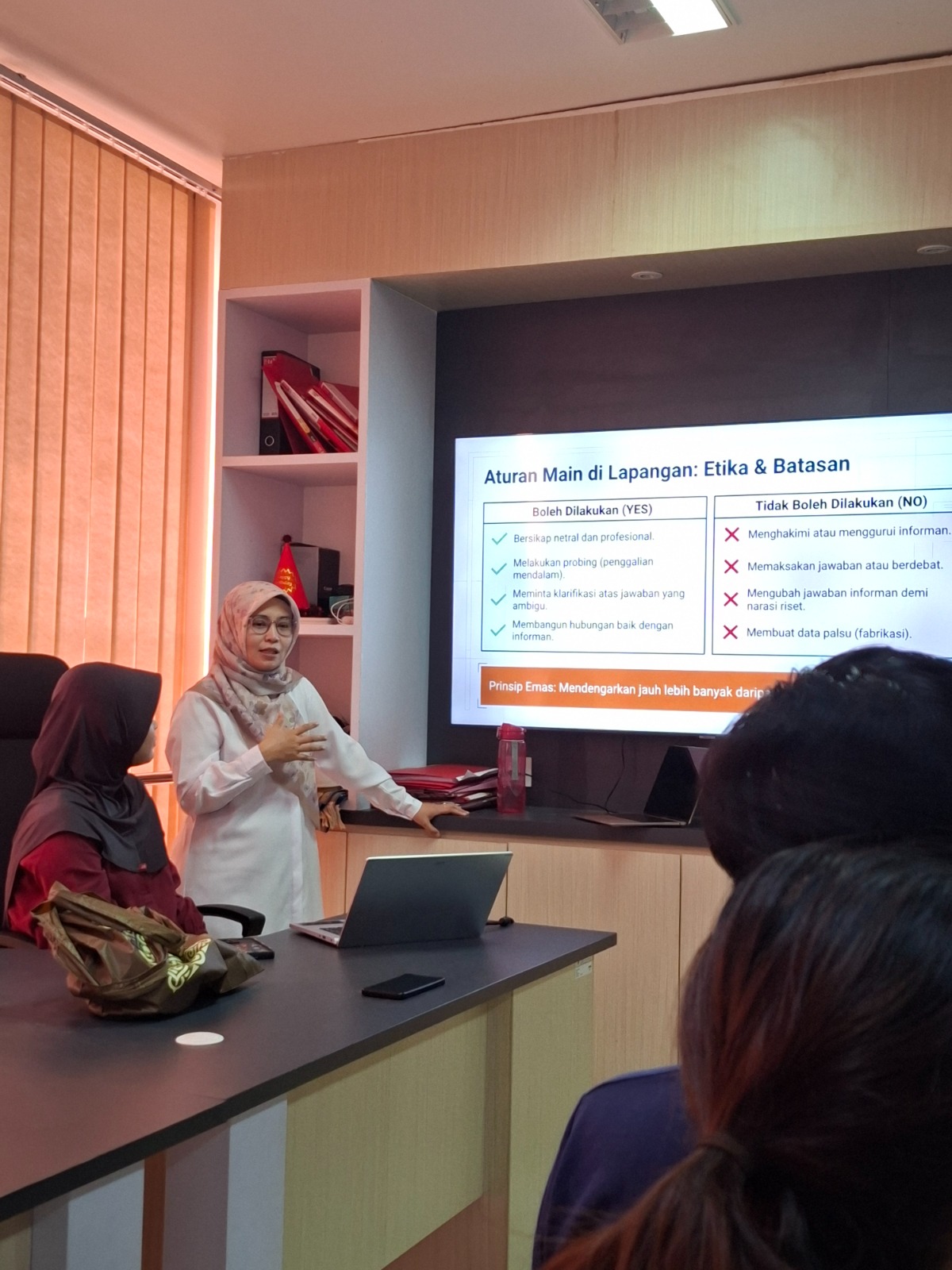
JEMBER – To strengthen research quality through valid and in-depth qualitative data collection, the Regional Centre of Expertise on Education for Sustainable Development (RCE) organized the LevelUp Program under the theme "Qualitative Data Collection Strategies and Techniques". The training was held at the RCE Office, 5th Floor of the ISDB Building, on Wednesday, June 24. The program featured Erwin Nur Rif'ah, S.Sos., M.A., Ph.D., a RCE Researcher and Lecturer at the Faculty of Public Health (FKM), University of Jember, as the keynote speaker. The training was designed to help participants develop practical qualitative research skills, including preparing interview guides, conducting in-depth interviews, using probing techniques, and documenting research data systematically. "Research assistants are expected to collect data objectively and in depth. They must be able to use active probing techniques to explore informants' responses without judging or influencing their answers," said Erwin Nur Rif'ah. Instead of a regular seminar, the program focused on interactive learning through hands-on activities. Following the presentation session, participants were divided into small groups and assigned real case studies. Each group prepared a set of interview questions before taking part in a role-play session, where they practiced conducting interviews using open-ended questions to explore participants' perspectives. Each simulation was followed by a comprehensive review led by the speaker. During the review session, the speaker provided feedback on how participants used probing techniques and reminded them to remain neutral during interviews. Participants were also reminded to avoid closed-ended questions and not to influence informants' answers. The program concluded with an interactive discussion, allowing participants to reflect on the challenges they encountered during the practice session and seek further clarification from the speaker. Through this LevelUp Program, RCE aims to strengthen the members' qualitative research skills while establishing a standardized foundation for qualitative research practices. The program is expected to help research assistants become more disciplined, analytical, and confident in conducting qualitative research, allowing them to contribute more effectively to future RCE research projects.
 Capacity Building
Selesai
Capacity Building
Selesai
Empowering Sustainable Communities: Inside the SIRAMA Digital Ecosystem by RCE East Java
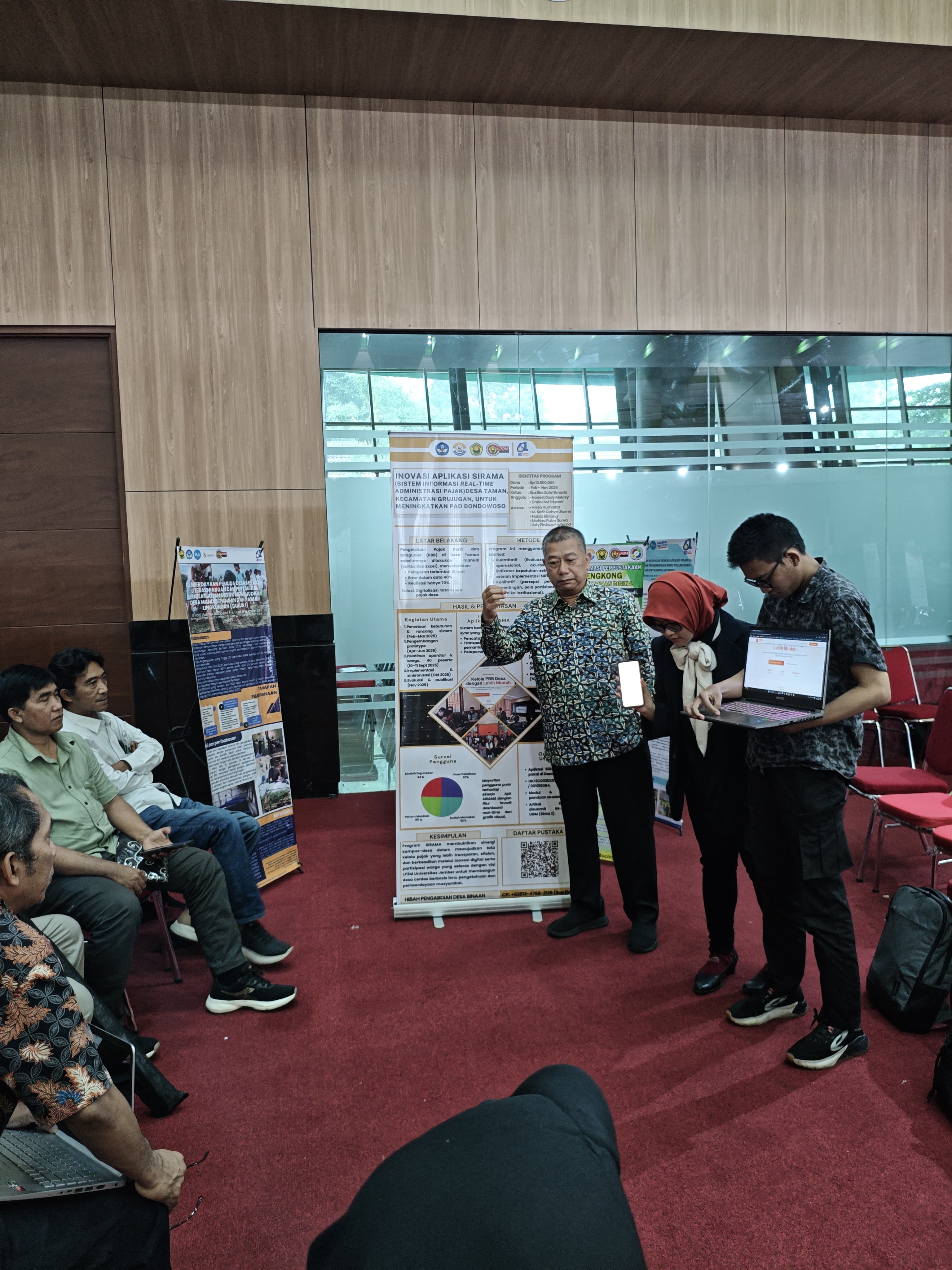
In the pursuit of sustainable development, true community empowerment relies on giving citizens and local leaders clear, actionable information. RCE East Java has brought this philosophy to life in Desa Taman through SIRAMA—an innovative, dual-platform digital ecosystem featuring a comprehensive web portal and an intuitive mobile application. Far from just an administrative tool, this digital suite acts as an educational and civic bridge, bringing transparency, simplicity, and active participation directly to the palm of every villager's hand. At the center of this technological leap is the SIRAMA web platform, designed as an all-in-one administrative hub for village managers and neighborhood heads (Rukun Tetangga). The website opens with an accessible landing page where residents can quickly look up their tax bills online, emphasizing ease of use from the very first click. Behind the secure login, village administrators are welcomed by an analytical dashboard that provides a clear, real-time overview of the village’s financial health. This dashboard displays vital, up-to-date statistics, including total tax bills generated, total funds collected, and pending payments, alongside land and building tax values (NJOP). Through organized menus, administrators can manage neighborhood lists, coordinate designated tax collectors, update taxpayer profiles, and even import external tax spreadsheets to keep the village records perfectly synchronized. To ensure this digital transition reaches everyone, RCE East Java developed the SIRAMA mobile application, specifically tailored for on-the-go tax collectors and community members. Upon logging in with their national identification number (NIK), local tax officers can immediately access a mobile dashboard that mirrors the web statistics, showing total registered tax properties and collection progress. The mobile application simplifies field operations by categorizing outstanding taxes into clear statuses: unpaid, partially paid, or fully settled. Built with the diverse local community in mind, the app also features a dark mode to reduce eye strain and bilingual settings, allowing users to seamlessly toggle between English and Bahasa Indonesia. Beyond tax tracking, SIRAMA introduces a crucial administrative feature that streamlines civil registration for everyday citizens. Both the web portal and the mobile app include a dedicated document submission module (Adminduk). This allows residents to digitally upload essential administrative documents, such as formal photos and registration details, directly through their phones. Neighborhood leaders can then access a digital verification queue on the web dashboard to review, check, and approve these submissions with a single click. By eliminating the need for tedious physical paperwork and long trips to municipal offices, this feature makes local government highly accessible and inclusive. By bringing these advanced yet easy-to-use digital tools to Desa Taman, RCE East Java is transforming how rural communities interact with local government. SIRAMA turns complex administrative tasks into shared, educational experiences, helping residents build digital literacy and take charge of their local development. Moving forward, RCE East Java is excited to expand this digital model, proving that when communities are equipped with transparent, accessible technology, they can build a more self-reliant and sustainable future. The SIRAMA application is officially registered under the Directorate General of Intellectual Property, Ministry of Law and Human Rights of the Republic of Indonesia (No.EC002025175124).
 Community Development
Selesai
Community Development
Selesai
Empowering Communities through Digital Transparency: The SIMPARI Initiative in Bondowoso
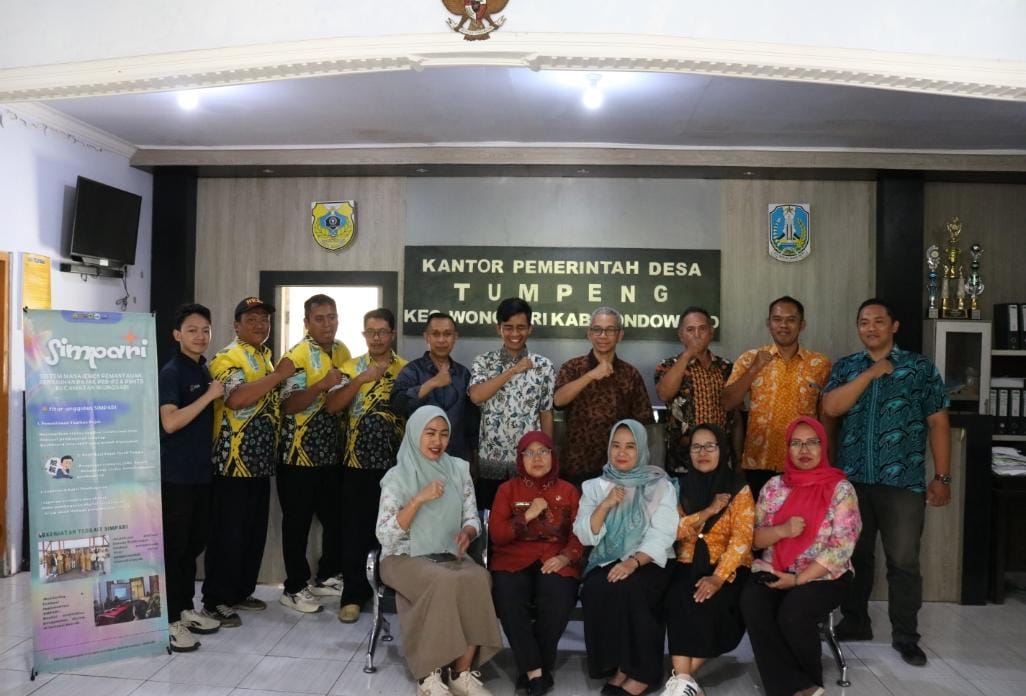
Sustainable development is built on a foundation of trust, responsibility, and equitable resource management. When public funds are managed transparently, local governments can build stronger schools, cleaner sanitation systems, and better healthcare facilities. To bridge the gap between civic duty and digital innovation, RCE East Java has spearheaded a transformative program designed to modernize local governance and foster responsible citizenship in the heart of East Java. Bridging the Digital Divide in Local Governance At the center of this initiative is SIMPARI, an innovative tax monitoring management system developed specifically for the Wonosari District in Bondowoso Regency. Historically, manual tax collection systems in rural areas have faced significant challenges, including administrative inefficiencies and a lack of real-time monitoring. These gaps often lead to lost regional revenue—funds that are desperately needed to support local sustainable development projects. Recognizing this challenge, RCE East Java coordinated a collaborative effort to design a state-of-the-art, Android-based application. Understanding that many remote villages suffer from unstable internet connectivity, the system was built with a unique offline-to-online capability. This allows local officers to securely record transactions in remote fields, with data automatically synchronizing once a network connection is established. This simple technological shift ensures that no community is left behind in the digital transition. Education for Sustainable Development in Action True sustainability begins when citizens understand their role in the community's future and have the transparent tools to act on it. This program is far more than a technical upgrade; it is a living model of Education for Sustainable Development (ESD). Rather than imposing a top-down system, RCE East Java brought together university researchers, local government planners, student volunteers, and village administrators in a shared learning ecosystem. Through interactive capacity-building workshops, local tax collectors and village leaders gained vital digital literacy, transforming them into active agents of change. Meanwhile, university students from diverse backgrounds—including public administration, economics, and information technology—gained invaluable real-world experience, applying classroom theories to solve urgent local challenges. This collaborative approach embodies the ESD spirit of lifelong learning, community empowerment, and cross-sector partnerships. Real Impact and a Sustainable Future The results of this collaborative educational model speak for themselves. In its pilot phases, the systematic monitoring facilitated by SIMPARI helped raise Wonosari’s local property tax collection rates from a low of 48% to over 76%. By eliminating administrative leaks, the system secures the public funds necessary to finance sustainable infrastructure, health programs, and local community services. Looking ahead, RCE East Java remains deeply committed to scaling this success. As we prepare to expand this digital governance model across all 23 districts in Bondowoso, we continue to demonstrate that when education, technology, and community align, we can build a more transparent, accountable, and sustainable future for all.
 Community Development
Selesai
Community Development
Selesai
Cultivating Change: How SEKOLATANI Empowers Women Farmers for a Sustainable Future
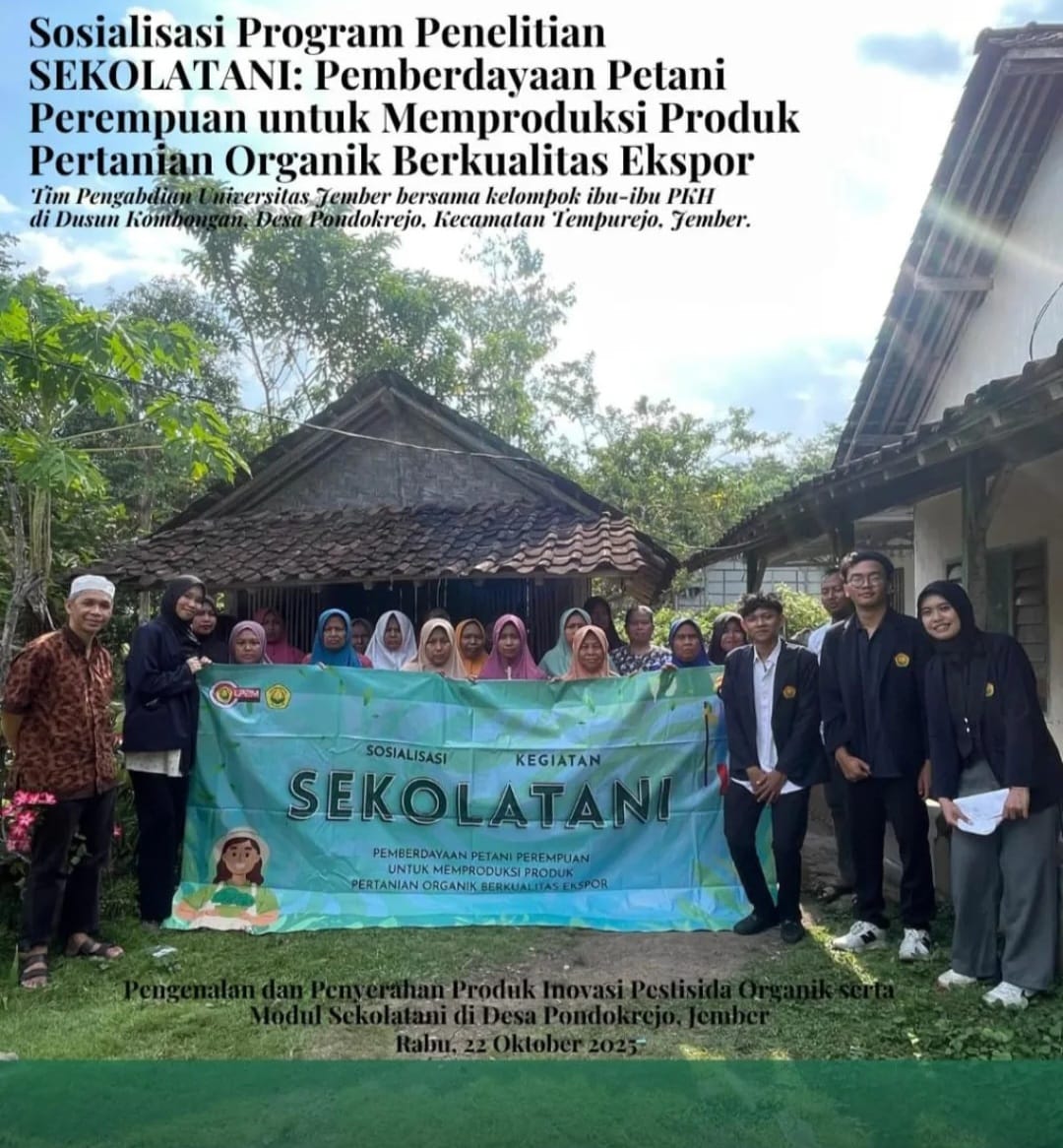
True sustainable development begins at the grassroots level, where education meets everyday practice. In many rural communities, women form the backbone of agriculture, yet they often lack equal access to green technologies and modern training. To bridge this gap, RCE East Java has spearheaded the SEKOLATANI (Women Farmers School) program, an innovative initiative that transforms traditional farming into a powerhouse for sustainable, export-quality organic agriculture. By shifting away from harmful chemical dependencies, this program proves that environmental stewardship and community prosperity can thrive side by side. An Innovative Approach to Green Agriculture Launched in late 2025 within the farming community of Kombongan Hamlet in Jember, East Java, SEKOLATANI addresses a critical global challenge: the heavy reliance on chemical pesticides that restricts local produce from entering international markets. Driven by RCE East Java's core commitment to Education for Sustainable Development (ESD), the program equips women farmers with the knowledge and tools needed to meet strict global food safety standards. It serves as a natural evolution of regional women's empowerment models, successfully expanding family-centered education into the vital field of eco-friendly agricultural production. Rather than relying on rigid classroom lectures, RCE East Java designed the program around an interactive, "learning by doing" philosophy. The journey began with open community dialogues and focus groups to deeply understand the unique agricultural challenges faced by local women. From these insights, a specialized SEKOLATANI learning module was developed in collaboration with sustainable agriculture and biotechnology experts. During lively hands-on workshops, participants actively learned how to manufacture their own organic pesticides using easily accessible local plants, such as neem leaves, lemongrass, and galangal. These natural ingredients blend together to create powerful, eco-friendly defenses against common crop pests. Embodying the Principles of Sustainable Education This initiative beautifully embodies the core pillars of ESD by blending localized traditional knowledge with modern ecological innovation. The program successfully fosters lifelong learning and responsible citizenship, transforming participants into active environmental guardians of their own lands. By centering the training on women, SEKOLATANI promotes social inclusion and gender equality, ensuring that community empowerment is thoroughly equitable. Furthermore, the initiative showcases how strong partnerships between educational hubs, local communities, and sustainable industries can create a resilient framework for regional green development. The impact of these workshops was felt almost immediately in the field. Practical trials revealed an impressive 60% reduction in pest infestations, with treated crops showing healthier, greener growth entirely free from toxic chemical residues. For the women of Kombongan Hamlet, this breakthrough means drastically reduced production costs and a clear pathway toward international organic certification. By securing a stable supply chain of premium organic goods, the program significantly enhances household incomes, safeguards vital soil health, and strengthens the community's overall climate resilience. Looking ahead, RCE East Java remains deeply committed to scaling these transformative learning models across the region. By continuing to champion education as the primary vehicle for sustainable development, the hub is not just teaching eco-friendly farming practices—it is cultivating a generation of empowered leaders who will feed the future while protecting the planet.
 Community Development
Selesai
Community Development
Selesai
Empowering Rural Communities Through Digital Transparency: The SIRAMA Initiative
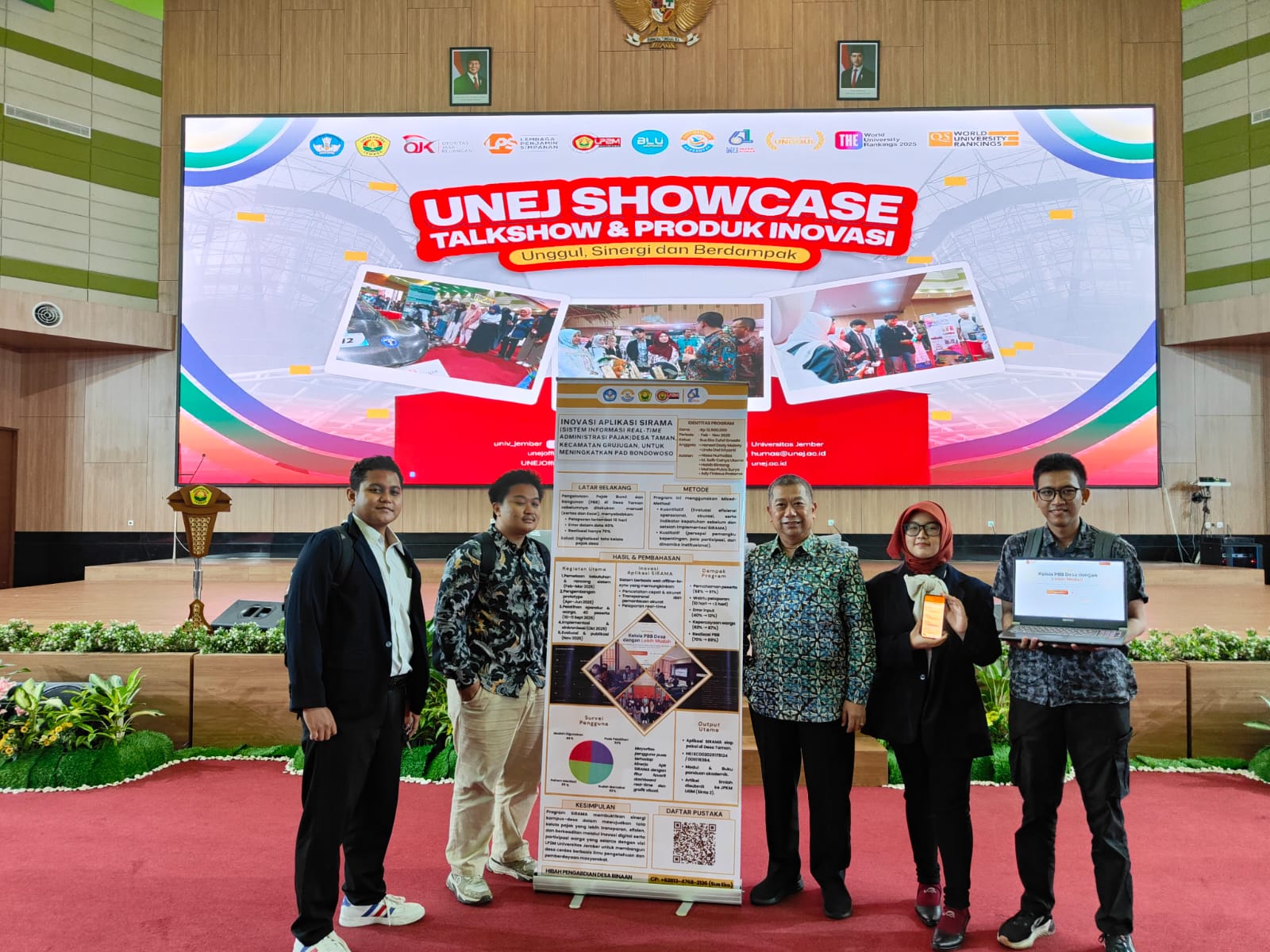
When we think about sustainable development, green technology and environmental conservation often take center stage. However, true sustainability is deeply rooted in the strength and transparency of local institutions. Without robust governance, communities cannot effectively manage the resources needed to thrive. Recognizing this vital link, RCE East Java launched a pioneering initiative to revolutionize local fiscal governance through grassroots education and digital innovation, proving that sustainable development begins with transparent community foundations. Sustainable development is built on trust, and trust is forged through transparency. By empowering villages to manage their own data, we create a resilient framework for localized growth. Bridging the Digital Gap in Local Governance From February to November 2025, RCE East Java spearheaded the implementation of the SIRAMA program—the Real-Time Tax Administration Information System—in Taman Village, located in the Grujugan District of Bondowoso, East Java. Historically, this rural area faced persistent challenges in managing its land and building taxes due to outdated, paper-based record-keeping. This manual system caused administrative delays, data errors, and a gap in community trust, keeping tax realization at around 70%. The primary objective of the SIRAMA program was to transform this bottleneck into an open, efficient, and highly collaborative digital ecosystem. Interactive Learning and Co-Creation At the heart of this program was an innovative approach to Education for Sustainable Development (ESD). Rather than simply handing over software, RCE East Java organized an intensive, two-day training workshop in September 2025 at the Taman Village Hall. This vibrant learning space brought together 40 participants, including 25 village officials and 15 local citizens, to engage in collaborative learning. The sessions utilized a practical training module that combined adult education with real-world problem-solving. Participants did not just learn to operate a system; they actively joined a co-creation process, helping to shape the application’s features to better serve their neighborhood. A key highlight of the technology is its offline-to-sync capability, which allows village officers to input financial information securely without requiring constant internet connectivity, perfectly adapting to rural infrastructure realities. Embodying ESD Principles for Real-World Impact The SIRAMA initiative beautifully embodies the core values of ESD by promoting lifelong learning, digital literacy, and responsible citizenship. By introducing public dashboards and mobile interfaces, the program turned passive tax payment into an act of active community participation. For the first time, citizens can directly view tax progress and village receipts, transforming financial data into a tool for social accountability and collective empowerment. The tangible impacts of this collaborative effort speak for themselves. Within the first year, tax realization in Taman Village surged to 89%, while the time required to process financial reports was slashed from ten days to less than three. More importantly, public trust in local institutions soared from 62% to an inspiring 87%. The program also secured an official Intellectual Property Copyright, cementing its status as a legally recognized model of grassroots innovation. Looking Forward to a Sustainable Regional Future The success in Taman Village is just the beginning of a larger journey toward regional transformation. Moving forward, RCE East Java remains deeply committed to advancing sustainable development through inclusive education and strategic partnerships. A comprehensive regional roadmap is already underway to replicate the SIRAMA model across the wider Bondowoso district by 2027. By continuously bridging the gap between digital innovation and community empowerment, RCE East Java is ensuring that local governance throughout the region becomes more transparent, equitable, and sustainable for generations to come.
 Community Development
Selesai
Community Development
Selesai
Empowering Communities Digitally: RCE East Java Launches 'SiPenTing' App to Combat Stunting
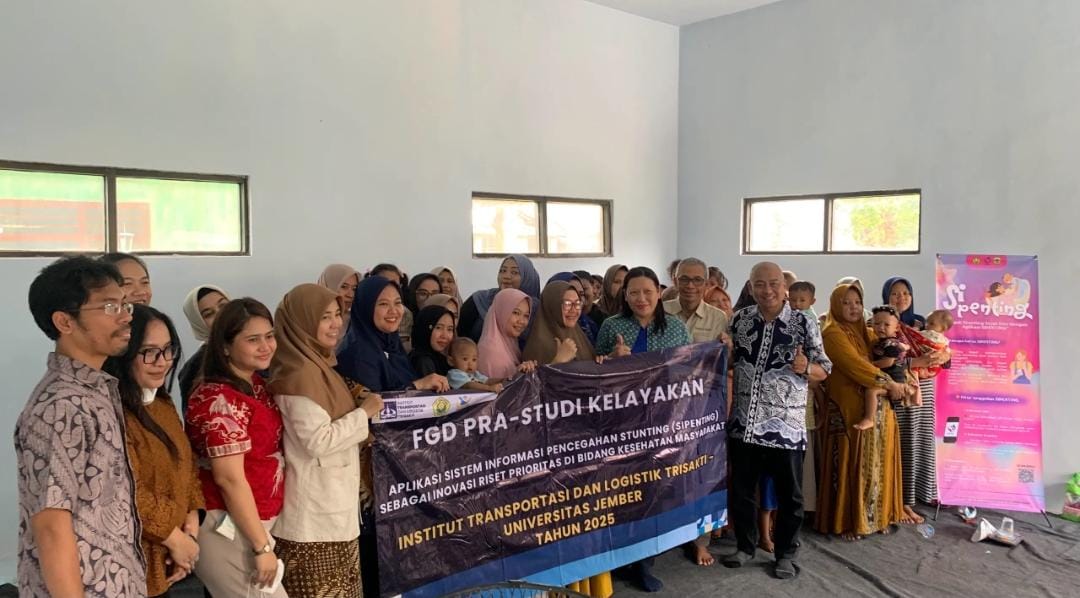
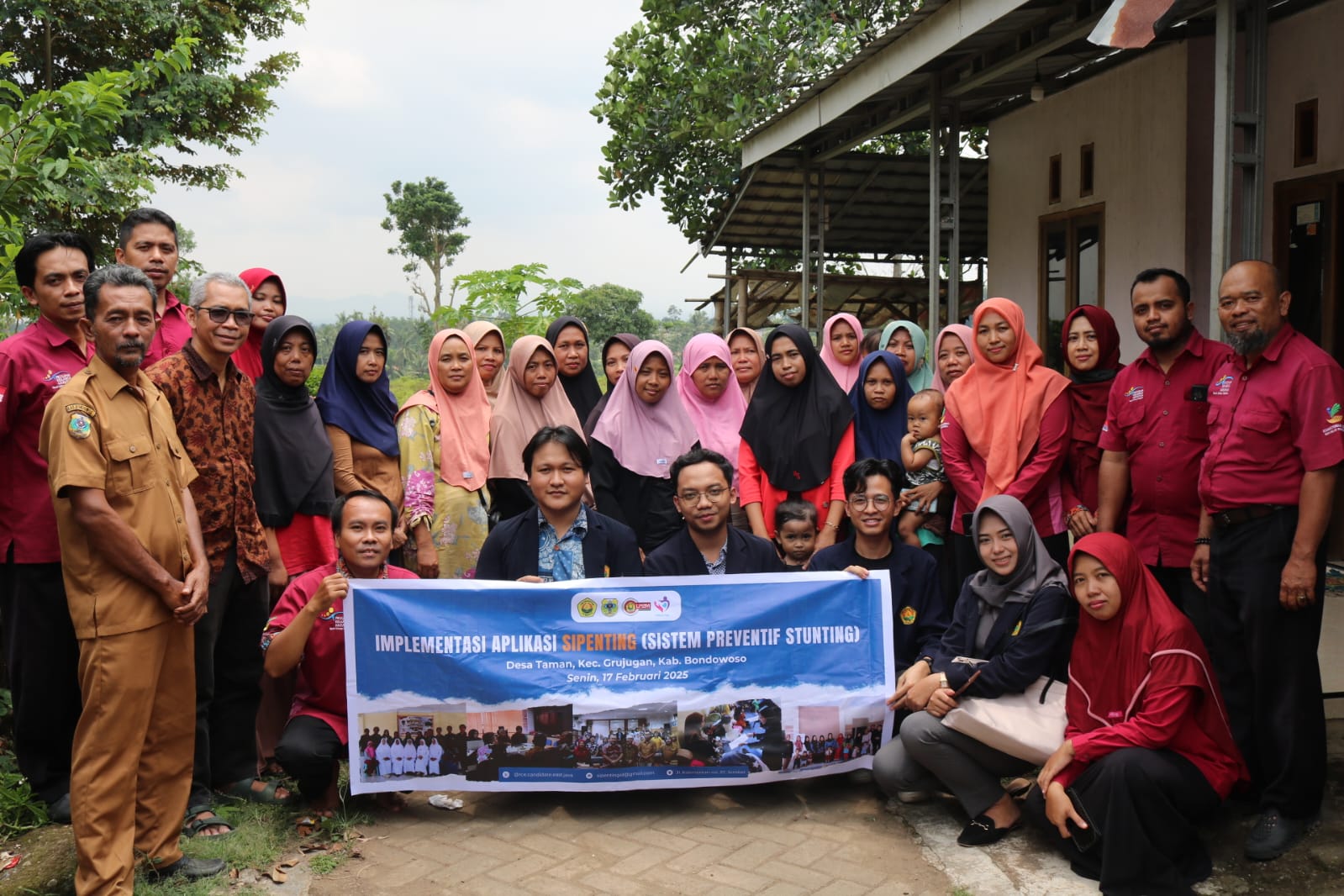
In the pursuit of a sustainable future, health and well-being form the bedrock of community resilience. Addressing child malnutrition and stunted growth is not merely a medical necessity, but a crucial step toward achieving lifelong learning, social equity, and community empowerment. Driven by this vision, RCE East Java has pioneered an innovative initiative aimed at mitigating stunting through digital technology. By transforming public health interventions into accessible, localized learning tools, this program stands as a testament to how targeted educational strategies can foster long-term sustainable development and reshape regional well-being. The initiative, officially known as the "SiPenTing" (Stunting Preventive System) program, was developed to tackle the high prevalence of stunting in Bondowoso Regency, particularly focusing on Taman Village within the Grujugan District. Designed as a comprehensive preventive framework, the program utilizes modern technology to overcome traditional barriers to high-quality health and nutritional information. By introducing an intuitive mobile software application, RCE East Java aims to provide young women, expectant mothers, and parents with the independent capacity to monitor child development, verify nutritional intake, and prevent growth issues before pregnancy and throughout early childhood. As the leading institution and driving force behind this venture, RCE East Java spearheaded a series of collaborative co-creation phases throughout 2024 to bring the application to life. Grounded in the principles of Education for Sustainable Development (ESD), the organization organized multiple Focus Group Discussions (FGDs) that bridged the gap between academic research, technical expertise, and local governance. By working hand-in-hand with municipal planning agencies, communication offices, health practitioners, and village midwives, RCE East Java ensured that local knowledge and grassroots institutional realities heavily influenced the software’s design and functionality. The interactive learning journey unfolded through localized trial sessions directly engaging community members. RCE East Java hosted interactive on-site workshops with local health volunteers and mothers at neighborhood health posts in Grujugan Lor and Sumberjeruk. These participatory trials functioned as open learning spaces where mothers tested the digital features—such as stunting calculators for both pregnant women and toddlers, a nutritional index, a posyandu schedule tracker, and integrated midwife consultation portals. This feedback loop allowed the development team to fix system glitches and eliminate complex login barriers, replacing them with straightforward registration inputs tailored specifically for non-technical users. By connecting community mobilization with modern technology, the program reflects the fundamental core of ESD. It redefines traditional top-down healthcare delivery into an active model of responsible citizenship, enabling families to take direct charge of their health expenditures and domestic nutrition. The program serves as a sustainable learning model by embedding the application's instruction directly into existing family welfare networks and community schools, ensuring knowledge passes naturally from local tutors to hundreds of beneficiary households. The successful regional launch of the SiPenTing application marks a vital turning point for local public health governance. Looking ahead, RCE East Java remains firmly committed to advancing regional sustainability through inclusive, quality education, cross-sector partnerships, and community-driven innovation to secure a healthier, more vibrant tomorrow for all generations.
 Community Development
Selesai
Community Development
Selesai
Officially Launched, the 'SiPenTing' App Is Ready to Accelerate Stunting Prevention in Taman Village
BONDOWOSO – The digital technology-based stunting intervention program in Bondowoso Regency has finally reached its culmination. The University of Jember (Unej) Community Service Team officially launched the full implementation of the “SiPenTing” (Stunting Prevention System) mobile app in Taman Village, Grujugan Subdistrict. This step marks the digital platform’s full readiness for widespread use by the general public to detect and prevent stunting early on. This full-scale launch serves as tangible proof of Jember University’s commitment to providing ready-to use technological solutions to address regional health challenges. The primary focus of this implementation is to ensure that the SiPenTing app is easily and seamlessly accessible to the target population—specifically mothers, parents, and caregivers of toddlers in Taman Village. The SiPenTing app is designed as an integrated platform that provides ongoing educational services, interactive consultation features, and a credible health resource center on stunting prevention. The app is expected to break the cycle of information gaps that communities in remote rural areas have long faced. Using the devices in their hands, parents can now independently monitor their children’s growth and development in real time. Not only does SiPenTing serve as an educational tool for residents, but it also plays a strategic role in health data processing. All data generated from community use of the app will be collected and analyzed periodically by a team of experts. This data analysis process aims to measure the effectiveness of each feature within the app, particularly in raising public awareness. Furthermore, the results of the nutritional monitoring data analysis from the app will serve as a vital tool for policymakers to implement precise medical interventions. With accurate data, local governments and healthcare workers can expedite targeted health interventions to address stunting in the areas or families that need it most. With this full launch in Taman Village, SiPenTing is poised to become a driving force for digital health transformation to realize a future generation in Bondowoso that is free from stunting.
 Community Development
Selesai
Community Development
Selesai
Preventing Early Marriage Through Sahabat KARIB: A Team of UNEJ Faculty Members Empowers Jember Teens to Become Peer Counselors
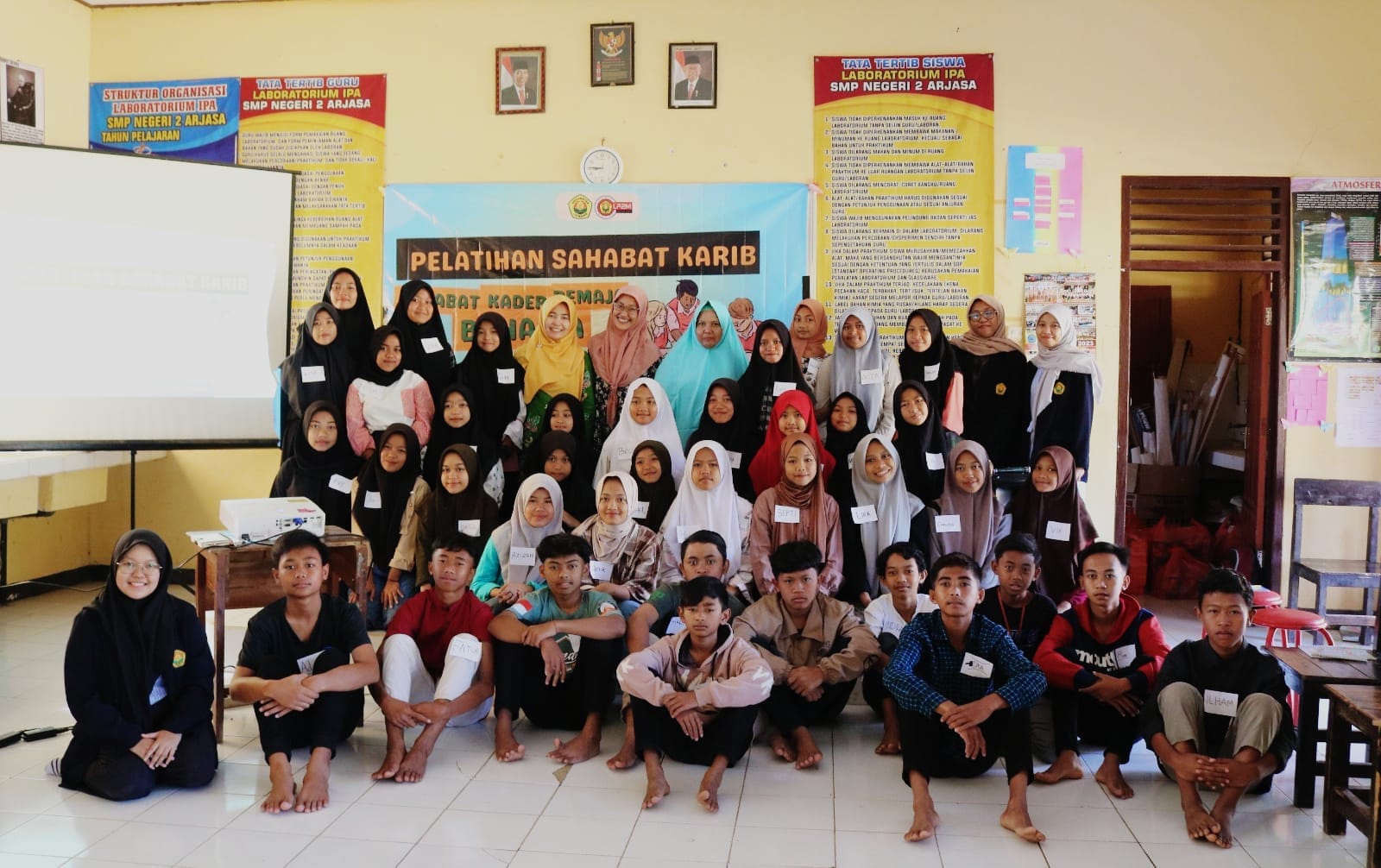
JEMBER—High rates of child marriage, requests for marriage dispensations, and a rise in school dropout cases following the COVID-19 pandemic paint a grim picture that requires serious attention in Jember Regency. According to 2020 data from the Religious Courts Case Database, Jember Regency ranked second nationally in the number of requests for marriage dispensations involving minors. This phenomenon is exacerbated by the prevalence of unregistered underage “siri” marriages, low student motivation due to burnout from online learning, and high rates of unwanted pregnancies resulting from a lack of understanding of reproductive health among adolescents. In response to these conditions, a community service team from the University of Jember launched the Sahabat KARIB (Happy Teen Cadres) program in Kemuning Lor Village, Arjasa Subdistrict, Jember Regency, in 2023. The Sahabat KARIB program empowers adolescents aged 12–15 to become agents of change in their communities. The Head of the Research and Community Service Team, Erwin Nur Rif’ah, S.Sos., M.A., Ph.D., explained that this intervention is not merely a one-way educational campaign but a form of tangible empowerment. “This initiative focuses on enhancing the knowledge, mindset, awareness, and skills of adolescents in Kemuning Lor Village to improve their understanding and planning regarding future reproductive health and the concept of a ‘happy adolescence,’” explained Erwin. Through this program, 30 adolescents were recruited and trained to serve as facilitators, tutors, and peer counselors. Participants were provided with comprehensive materials covering positive self-image, the basics of reproductive health, the dangers of promiscuity, and resistance to bullying and NAPZA (narcotics, psychotropic drugs, and addictive substances), using interactive teaching aids such as the “Reproductive Apron” and the “My Plate” activity. To ensure these adolescents are equipped with strong psychological resilience and communication skills, the community service team specifically invited a psychologist, Arrumaisha Fitri, M.Psi., Psychologist, to serve as the keynote speaker. Through interactive mentoring sessions with the psychologist, participants were guided to directly practice empathetic listening techniques, how to respond to a friend’s story without judgment, and techniques for providing positive feedback and advice. These skills are essential for KARIB Friends to become good listeners and help their peers navigate typical teenage challenges. Equipping teenagers to become advocates for one another is certainly not a strategy chosen without reason. Community service team member Dina Tsalist Wildana, S.H.I., LL.M., highlighted the importance of the peer-to-peer approach in this program. “At a young age, it’s not easy for teens to express their thoughts and feelings to older people. That’s why the role of peer tutors and counselors is so important—teens tend to feel more comfortable opening up to their peers without fear of being judged,” explained Dina. The success of this series of programs was certainly made possible by the excellent synergy that was built. “The success of this program is inseparable from the full support of the Kemuning Lor Village government and SMPN 2 Arjasa. This cross-sectoral collaboration was the key to the acceptance of Sahabat KARIB within the community,” stated Rosnida Sari, S.Ag., M.Si., Ph.D., a member of the community service team responsible for partner coordination and technical field implementation. As a follow-up to the entire series of activities, the community service team also published two modules titled “Happy Teens with Sahabat KARIB: Avoiding Drugs, HIV, AIDS, and Early Marriage” and “Dare to Change: Becoming More Confident and Creative Teens,” which contain the materials covered during the training sessions. These modules were designed to serve as ongoing guides for both current Sahabat KARIB members and prospective members in future generations.
 Community Development
Selesai
Community Development
Selesai
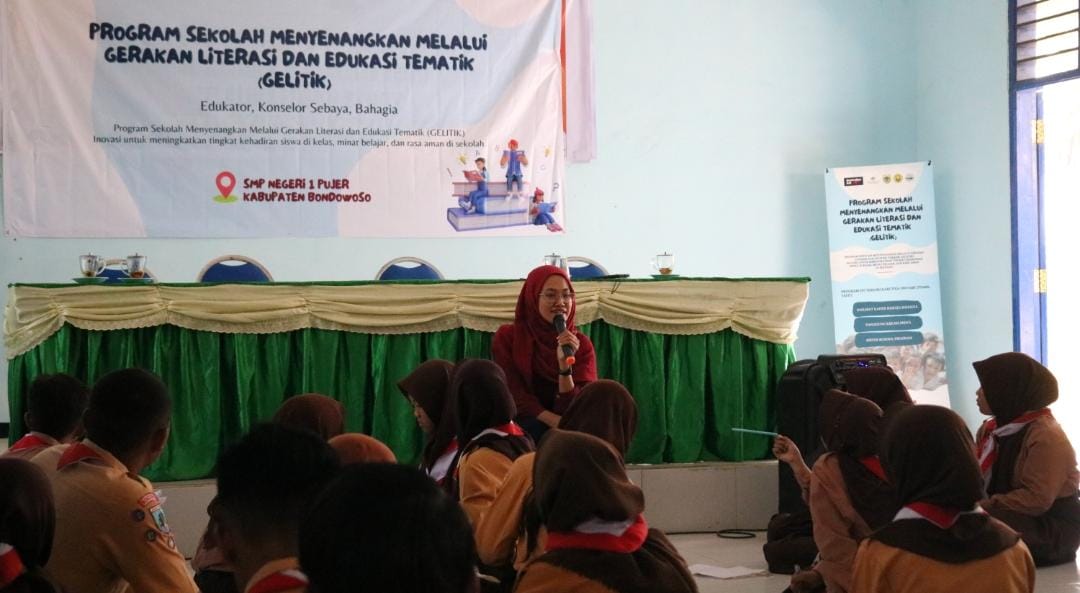
Creating Joyful Classrooms: RCE East Java Launches the GELITIK Program for Sustainable Education
Every child deserves an education that sparks joy, fosters creativity, and provides a safe space to grow. Unfortunately, many young learners face structural and social barriers that interrupt their educational journeys, ranging from classroom disengagement to early marriage. True regional sustainability cannot be achieved without addressing these vulnerabilities at their roots. Grounded in the core philosophy of Education for Sustainable Development (ESD), RCE East Java recognizes that transforming classrooms into supportive, vibrant environments is essential for empowering future generations and building inclusive societies. To address these challenges directly, RCE East Java has pioneered an innovative initiative named the Joyful School Program through the Thematic Literacy and Education Movement, locally known as GELITIK (Gerakan Literasi dan Edukasi Tematik). This comprehensive two-year initiative is designed to fundamentally transform the educational climate across 22 middle schools in the Jember and Bondowoso regencies. By moving away from rigid, uninspiring teaching routines, the program aims to boost daily attendance, spark a genuine love for learning, and actively mitigate the social factors that drive high student dropout rates. As the leading institution and regional hub driving this initiative, RCE East Java is translating global sustainability values into local action. The GELITIK program models how localized education can act as a vehicle for lifelong learning and community empowerment. To achieve these systemic shifts, the initiative introduces three core innovations: the Sahabat Karib peer-to-peer mentoring network to tackle bullying and build a culture of mutual support, a dedicated student creative stage to celebrate individual talents, and a virtual Sister School partnership. This international exchange facilitates a vibrant dialogue on culture and school management between Indonesian and Australian educators and students, establishing cross-border collaboration that enriches local knowledge. Rather than treating classrooms as mere spaces for academic instruction, RCE East Java embeds key ESD principles directly into daily school life, cultivating responsible citizenship, emotional well-being, and social inclusion. By empowering young people to become active advocates within their own peer groups, the initiative fosters deep environmental and social responsibility. The positive ripple effects extend far beyond the classroom walls, building an integrated ecosystem where educators, parents, local communities, and regional education departments collaborate to champion the safety and development of every child. The long-term impact of the GELITIK initiative promises a profound institutional and social shift. By fostering healthier, more inclusive school environments, participating institutions will see marked improvements in student retention, gender equity awareness, and the overall psychological well-being of both learners and teachers. Looking ahead, RCE East Java remains deeply committed to advancing sustainable development through the transformative power of education.