Empowering Communities Digitally: RCE East Java Launches 'SiPenTing' App to Combat Stunting
- Category Community Development
- Status Selesai
- Author Yani Dwi Rahayu, Hans Christian I.H, M. rayhan Hanif, Belinda Aliefia Diardi, Diki Angger Arianto
- Date 20 April 2024
Related Programs
 Community Development
Creating Joyful Classrooms: RCE East Java Launches the GELITIK Program for Sustainable Education
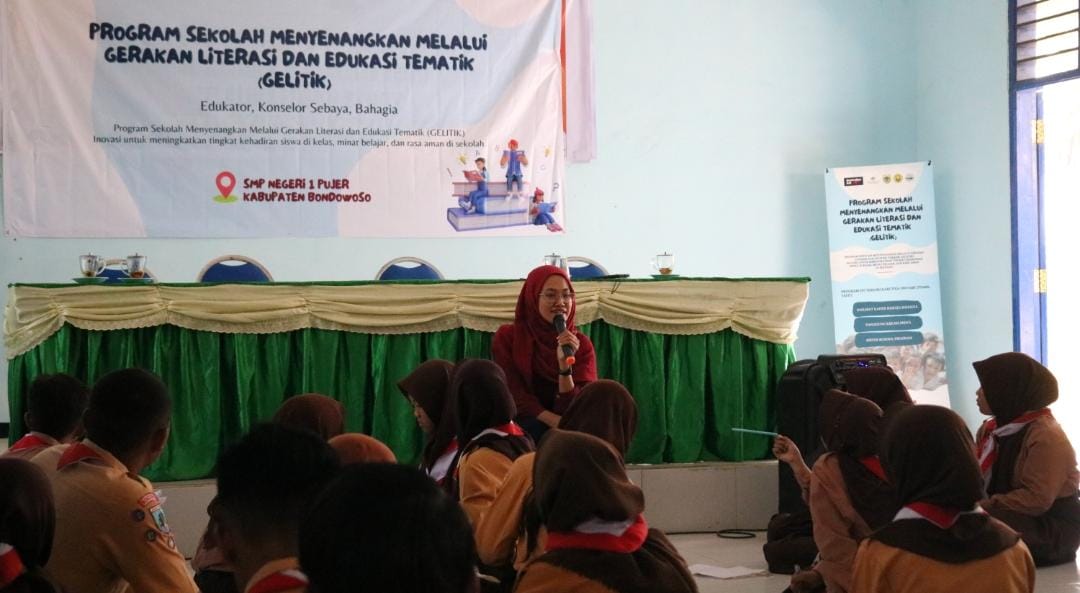
Every child deserves an education that sparks joy, fosters creativity, and provides a safe space to grow. Unfortunately, many young learners face structural and social barriers that interrupt their educational journeys, ranging from classroom disengagement to early marriage. True regional sustainability cannot be achieved without addressing these vulnerabilities at their roots. Grounded in the core philosophy of Education for Sustainable Development (ESD), RCE East Java recognizes that transforming classrooms into supportive, vibrant environments is essential for empowering future generations and building inclusive societies. To address these challenges directly, RCE East Java has pioneered an innovative initiative named the Joyful School Program through the Thematic Literacy and Education Movement, locally known as GELITIK (Gerakan Literasi dan Edukasi Tematik). This comprehensive two-year initiative is designed to fundamentally transform the educational climate across 22 middle schools in the Jember and Bondowoso regencies. By moving away from rigid, uninspiring teaching routines, the program aims to boost daily attendance, spark a genuine love for learning, and actively mitigate the social factors that drive high student dropout rates. As the leading institution and regional hub driving this initiative, RCE East Java is translating global sustainability values into local action. The GELITIK program models how localized education can act as a vehicle for lifelong learning and community empowerment. To achieve these systemic shifts, the initiative introduces three core innovations: the Sahabat Karib peer-to-peer mentoring network to tackle bullying and build a culture of mutual support, a dedicated student creative stage to celebrate individual talents, and a virtual Sister School partnership. This international exchange facilitates a vibrant dialogue on culture and school management between Indonesian and Australian educators and students, establishing cross-border collaboration that enriches local knowledge. Rather than treating classrooms as mere spaces for academic instruction, RCE East Java embeds key ESD principles directly into daily school life, cultivating responsible citizenship, emotional well-being, and social inclusion. By empowering young people to become active advocates within their own peer groups, the initiative fosters deep environmental and social responsibility. The positive ripple effects extend far beyond the classroom walls, building an integrated ecosystem where educators, parents, local communities, and regional education departments collaborate to champion the safety and development of every child. The long-term impact of the GELITIK initiative promises a profound institutional and social shift. By fostering healthier, more inclusive school environments, participating institutions will see marked improvements in student retention, gender equity awareness, and the overall psychological well-being of both learners and teachers. Looking ahead, RCE East Java remains deeply committed to advancing sustainable development through the transformative power of education.
View Detail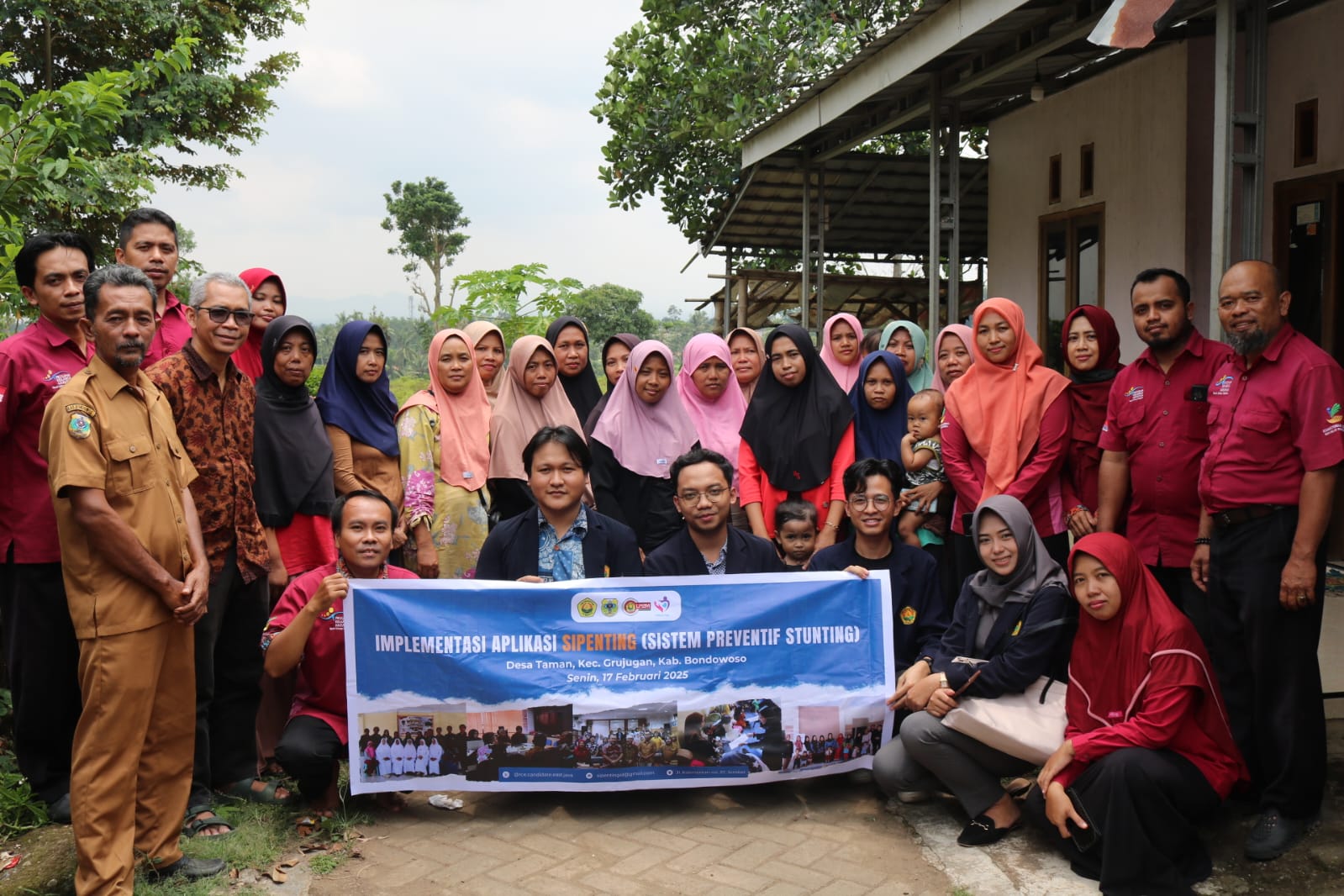 Community Development
Officially Launched, the 'SiPenTing' App Is Ready to Accelerate Stunting Prevention in Taman Village
BONDOWOSO – The digital technology-based stunting intervention program in Bondowoso Regency has finally reached its culmination. The University of Jember (Unej) Community Service Team officially launched the full implementation of the “SiPenTing” (Stunting Prevention System) mobile app in Taman Village, Grujugan Subdistrict. This step marks the digital platform’s full readiness for widespread use by the general public to detect and prevent stunting early on. This full-scale launch serves as tangible proof of Jember University’s commitment to providing ready-to use technological solutions to address regional health challenges. The primary focus of this implementation is to ensure that the SiPenTing app is easily and seamlessly accessible to the target population—specifically mothers, parents, and caregivers of toddlers in Taman Village. The SiPenTing app is designed as an integrated platform that provides ongoing educational services, interactive consultation features, and a credible health resource center on stunting prevention. The app is expected to break the cycle of information gaps that communities in remote rural areas have long faced. Using the devices in their hands, parents can now independently monitor their children’s growth and development in real time. Not only does SiPenTing serve as an educational tool for residents, but it also plays a strategic role in health data processing. All data generated from community use of the app will be collected and analyzed periodically by a team of experts. This data analysis process aims to measure the effectiveness of each feature within the app, particularly in raising public awareness. Furthermore, the results of the nutritional monitoring data analysis from the app will serve as a vital tool for policymakers to implement precise medical interventions. With accurate data, local governments and healthcare workers can expedite targeted health interventions to address stunting in the areas or families that need it most. With this full launch in Taman Village, SiPenTing is poised to become a driving force for digital health transformation to realize a future generation in Bondowoso that is free from stunting.
View Detail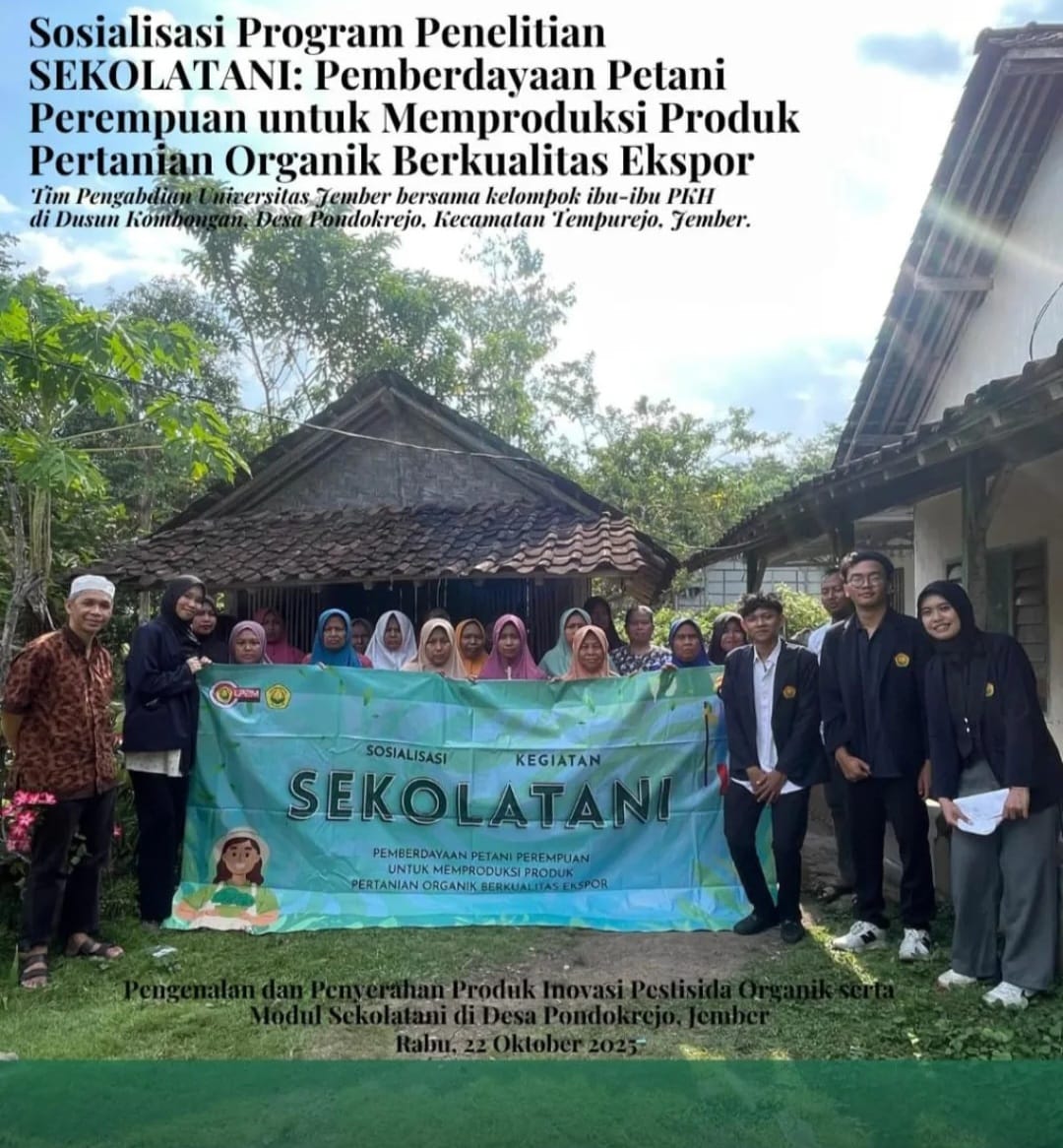 Community Development
Cultivating Change: How SEKOLATANI Empowers Women Farmers for a Sustainable Future
True sustainable development begins at the grassroots level, where education meets everyday practice. In many rural communities, women form the backbone of agriculture, yet they often lack equal access to green technologies and modern training. To bridge this gap, RCE East Java has spearheaded the SEKOLATANI (Women Farmers School) program, an innovative initiative that transforms traditional farming into a powerhouse for sustainable, export-quality organic agriculture. By shifting away from harmful chemical dependencies, this program proves that environmental stewardship and community prosperity can thrive side by side. An Innovative Approach to Green Agriculture Launched in late 2025 within the farming community of Kombongan Hamlet in Jember, East Java, SEKOLATANI addresses a critical global challenge: the heavy reliance on chemical pesticides that restricts local produce from entering international markets. Driven by RCE East Java's core commitment to Education for Sustainable Development (ESD), the program equips women farmers with the knowledge and tools needed to meet strict global food safety standards. It serves as a natural evolution of regional women's empowerment models, successfully expanding family-centered education into the vital field of eco-friendly agricultural production. Rather than relying on rigid classroom lectures, RCE East Java designed the program around an interactive, "learning by doing" philosophy. The journey began with open community dialogues and focus groups to deeply understand the unique agricultural challenges faced by local women. From these insights, a specialized SEKOLATANI learning module was developed in collaboration with sustainable agriculture and biotechnology experts. During lively hands-on workshops, participants actively learned how to manufacture their own organic pesticides using easily accessible local plants, such as neem leaves, lemongrass, and galangal. These natural ingredients blend together to create powerful, eco-friendly defenses against common crop pests. Embodying the Principles of Sustainable Education This initiative beautifully embodies the core pillars of ESD by blending localized traditional knowledge with modern ecological innovation. The program successfully fosters lifelong learning and responsible citizenship, transforming participants into active environmental guardians of their own lands. By centering the training on women, SEKOLATANI promotes social inclusion and gender equality, ensuring that community empowerment is thoroughly equitable. Furthermore, the initiative showcases how strong partnerships between educational hubs, local communities, and sustainable industries can create a resilient framework for regional green development. The impact of these workshops was felt almost immediately in the field. Practical trials revealed an impressive 60% reduction in pest infestations, with treated crops showing healthier, greener growth entirely free from toxic chemical residues. For the women of Kombongan Hamlet, this breakthrough means drastically reduced production costs and a clear pathway toward international organic certification. By securing a stable supply chain of premium organic goods, the program significantly enhances household incomes, safeguards vital soil health, and strengthens the community's overall climate resilience. Looking ahead, RCE East Java remains deeply committed to scaling these transformative learning models across the region. By continuing to champion education as the primary vehicle for sustainable development, the hub is not just teaching eco-friendly farming practices—it is cultivating a generation of empowered leaders who will feed the future while protecting the planet.
View Detail